Africa’s Top 10 – January Quarterly 2026
Momentum carried over from the G20 summit as the 7th African Union-European Union Summit opened with a clear signal that Africa intended to shape global cooperation on its own terms. The gathering quickly became a platform for Africa to press for fairer debt restructuring tools and stronger financial governance, drawing a more receptive response from European leaders seeking renewed partnership. Commitments to expand trade, improve migration coordination and boost agricultural resilience illustrated this shift toward shared priorities. South Africa used the moment to reinforce its multilateral stance through a new critical minerals pact and a clean trade agreement, with the UK, that aligned with its wider sustainability agenda. Dialogue on AI governance and digital trust added strategic depth as both regions acknowledged the need for coherent rules to guide innovation. The summit closed with a sense of recalibrated purpose, reflecting Africa’s rising agency and Europe’s readiness to pursue a more balanced and forward-looking partnership.
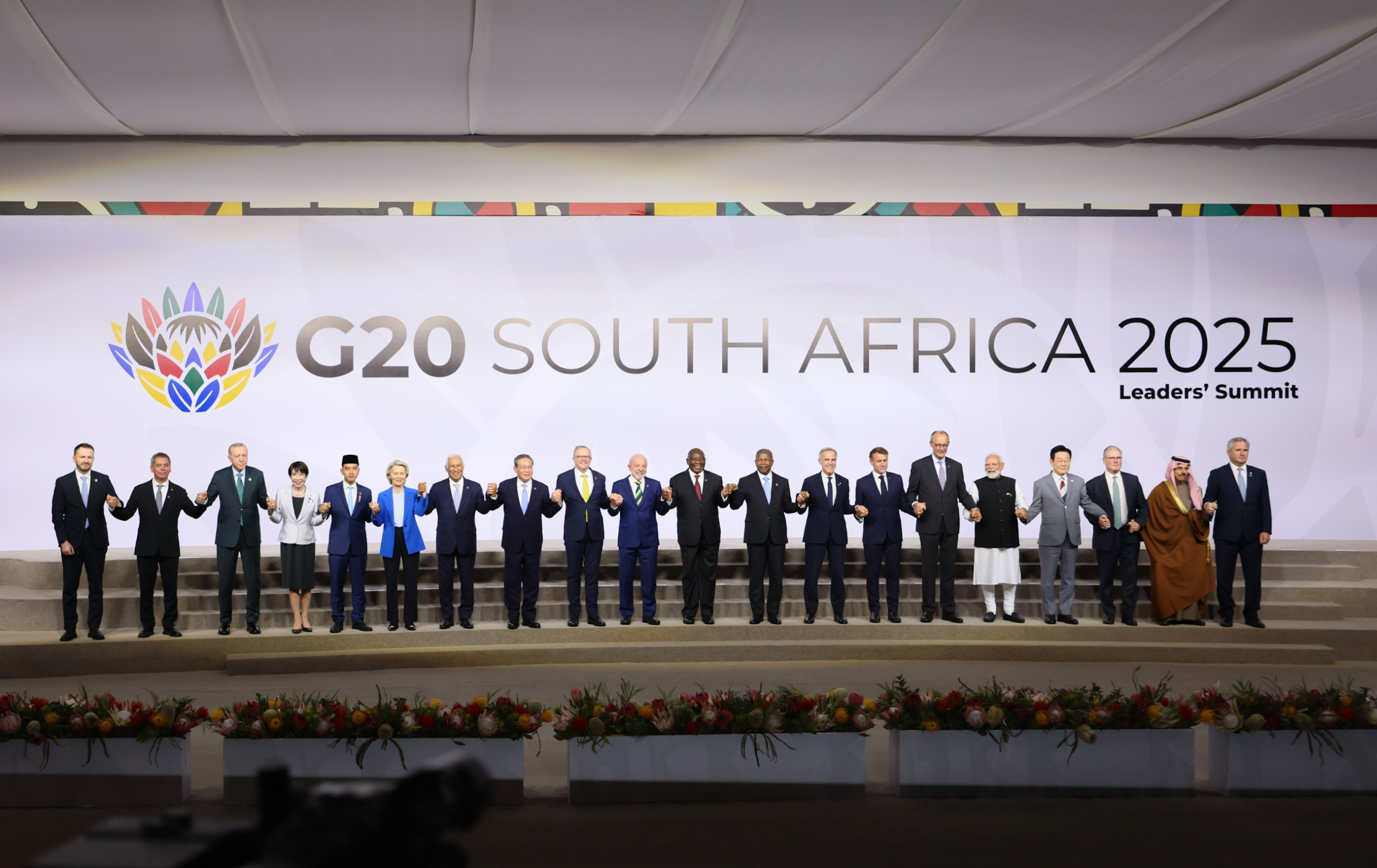
A wave of political tension set the backdrop for the G20 Summit in November, yet South Africa managed to steer the gathering toward a rare moment of consensus. Despite the United States boycotting the summit and threatening to block South Africa from the 2026 hosting cycle, Pretoria sustained diplomatic momentum that enabled leaders to adopt a declaration reflecting shared priorities on trade reform, debt restructuring and climate action. China’s active participation helped stabilise proceedings, while African experts elevated calls for stronger oversight of ratings agencies and more equitable debt tools. The B20 reinforced this agenda by urging cooperation on sustainable industrialisation and job creation, with South Africa using the platform to champion fairness, solidarity and inclusive growth. Even with geopolitical friction and vocal criticism from Russia regarding sanctions, the summit closed with renewed commitment to multilateralism. South Africa framed the outcome as evidence that collective goals still outweighed division in a shifting global order.
Image courtesy: 内閣広報室 /Cabinet Public Affairs Office/WikiCommons, 2025
Trade relations between South Africa and the United States remained under sustained strain over Q4 as negotiations around AGOA unfolded alongside escalating political and tariff pressure. From November through December, Washington advanced new legislative measures targeting Pretoria while issuing repeated tariff threats that unsettled exporters and investors. South Africa responded by intensifying engagement with US counterparts and advancing its so called ‘butterfly strategy’ to diversify exports and reduce vulnerability to unilateral shocks. The uncertainty peaked in January 2026 when the US House passed a three-year AGOA extension, though South Africa’s inclusion remained unclear, reinforcing the fragile nature of preferential market access. Analysis of the renewal underscored how AGOA continued to anchor the bilateral relationship even as trust eroded. In parallel, a bilateral agreement facilitating the relocation of white South Africans to the United States injected political sensitivity into trade talks, further complicating an already delicate diplomatic and economic relationship.
A new chapter in Africa’s health resilience took shape in Q4 2025 as Biovac opened a state-of-the-art vaccine laboratory in Cape Town, signalling growing continental ambition to localise high value medical production. The facility expanded Africa’s ability to manufacture complex vaccines and supported parallel progress after South African regulators authorised Biovac to begin oral cholera vaccine trials. This momentum resonated across the continent as Egypt advanced drug localisation with new partnerships and introduced a digital health strategy designed to modernise its care systems. Breakthrough research also gained pace, with Gabon testing a single dose malaria treatment and Ethiopia broadening hepatitis B birth dose coverage. Eswatini and Zambia received first deliveries of the HIV prevention drug lenacapavir, while China bolstered South Africa’s HIV response through targeted grant support. Investment in logistics and frontier technologies followed, including a pharmaceutical warehouse at OR Tambo and AI guided tools for glucose monitoring and malaria control, reinforcing Africa’s long-term drive toward health sovereignty.
As global health financing featured prominently in late year diplomatic forums, Africa secured a decisive boost through a new wave of large-scale US health agreements concluded in November and December. The centrepiece was a US$2.5 billion partnership with Kenya targeting HIV, malaria and polio, reflecting Washington’s shift toward longer term and outcome-driven health engagement. Although a Kenyan court temporarily suspended the deal, the broader strategy remained intact as complementary agreements were signed with Côte d’Ivoire, Rwanda and Uganda. Collectively the United States committed close to US$16 billion across 12 African countries, signalling renewed confidence in national health systems and delivery capacity. Private sector integration formed a critical pillar, with logistics players such as Zipline positioned to strengthen last mile delivery, alongside new manufacturing investment in Kenya backed by Denmark’s Impact Fund. Together the deals reinforced the parallel momentum in vaccine production, medical innovation and health system strengthening.
Nigeria entered a decisive phase of economic modernisation in November as the government advanced a suite of reforms designed to reshape transport, digital governance and innovation capacity. The launch of the country’s first National Land Transport Policy set the tone, outlining an integrated vision to improve mobility, stimulate infrastructure investment and support more efficient movement of people and goods. This shift was reinforced by progress on the Electric Vehicle Bill, which aimed to accelerate green mobility through a supportive regulatory framework and the rollout of charging networks. At the institutional level, the National Digital Economy and E-Governance Bill signalled intent to modernise public administration and create a coherent legal foundation for digital services. Momentum extended into frontier technology as lawmakers advanced a bill to establish a national AI and innovation hub, positioning Nigeria to cultivate new industries and enhance state capability. Together the reforms reflected a coordinated push toward a more connected and innovation driven future.
China’s New Year trade tour signalled a deliberate effort to secure Africa’s strategic trade routes as Beijing shifted from episodic deal making to corridor focused economic diplomacy. In East Africa, Ethiopia emerged as a flagship partner through pledges on infrastructure and AI, alongside a new specialty coffee trading centre in China that aimed to lift export earnings and deepen value chain integration. Kenya strengthened market access after securing zero duty entry to China, reinforcing Beijing’s use of trade preferences to anchor bilateral ties. In Southern Africa, Lesotho aligned more closely with China as US trade policy uncertainty reshaped small economy calculations, while Zambia explored a currency swap to reduce dollar exposure and ease external debt pressures. In Tanzania, China’s warning against foreign interference after contested elections underscored that commercial engagement was paired with political signalling. Collectively, the moves reflect geopolitics of alternatives, as African states balance US conditionality and Russia’s security driven partnerships against China’s market access and finance.
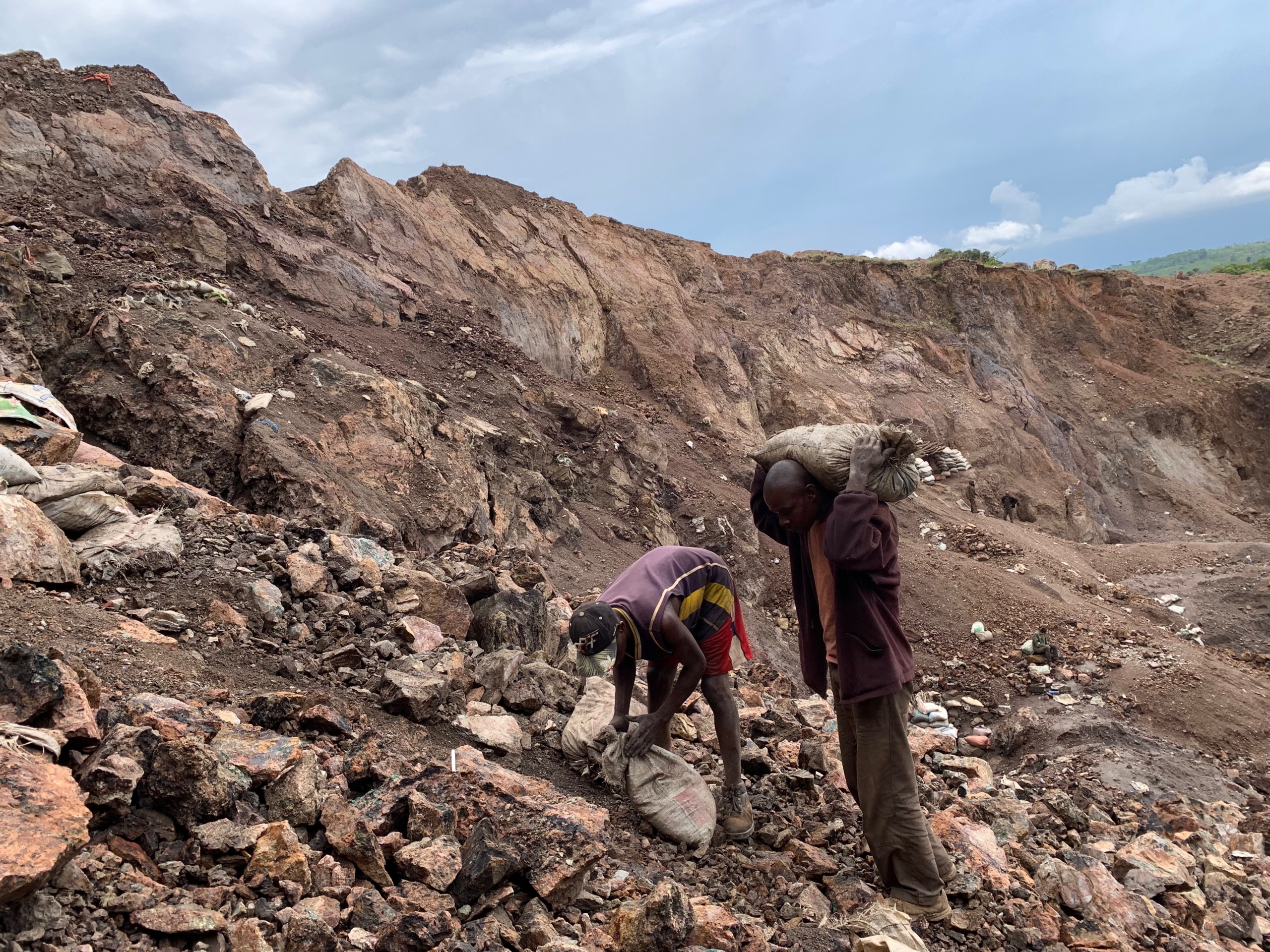
Strategic minerals increasingly shaped diplomacy in eastern Congo over the fourth quarter as peace efforts and supply chain control advanced in parallel from November through January. A US-brokered agreement between the Democratic Republic of Congo and Rwanda sought to de-escalate conflict, yet implementation remained fragile as sporadic fighting, displacement and ceasefire violations persisted. Alongside these negotiations, Kinshasa moved decisively to tighten its grip on cobalt and copper, introducing export quotas, traceability requirements and stricter conditions on shipments. The DRC produced its first traceable artisanal cobalt, resumed exports under the new regime and authorised initial shipments by firms such as Glencore and CMOC, all the while prices for battery grade materials climbed in response. Authorities also suspended artisanal processing amid a corruption crackdown and advanced US-linked mineral trade through ‘Mercuria’ backed copper exports. The developments underscored how security, governance and strategic minerals have become inseparable, with diplomacy increasingly anchored in controlling supply chains critical to the global energy transition.
Africa advanced a landmark financial initiative in early 2026 as the Central Bank of Egypt and Afreximbank launched the continent’s first pan-African Gold Bank. Formalised through a MoU, the partnership aimed to strengthen gold value chains, bolster central bank reserves and reduce reliance on foreign trading and refining hubs. The initiative aligned Egypt’s drive for deeper African economic integration with Afreximbank’s mandate to promote value addition and strategic mineral processing. Under the agreement, the institutions committed to a feasibility study for an integrated Gold Bank ecosystem in a designated free zone in Egypt, including an internationally accredited refinery, secure vaulting facilities, and related financial services. The framework was intended to expand continent wide by engaging governments, central banks and mining stakeholders to harmonise standards and support sustainable gold trade. By positioning gold as a tool for reserve diversification and financial stability, the launch marked a deliberate step toward greater monetary resilience and intra-African value retention.
Southern Africa entered a decisive phase in redefining control over its diamond wealth during Q4 as Angola, Botswana and Namibia moved to reshape the ownership of De Beers. Botswana advanced steps to acquire a majority stake as Anglo American signalled its intention to exit, framing the move as part of a broader strategy to retain value and strengthen fiscal resilience. Angola pursued parallel ambitions through its state miner Endiama, while ruling out direct budget financing and opening talks with Botswana on potential pathways to joint influence. Interest from other African states and private groups further underscored the asset’s strategic appeal. The push extended beyond diamonds, with Botswana expanding its critical minerals strategy and signalling geopolitical diversification through deeper engagement with Russia on rare earths and mineral cooperation. The developments reflect a shift toward greater resource sovereignty, as southern African producers seek stronger leverage across global mineral and other value chains.
African credit shifts reflect mixed progress after global summit diplomacy
S&P credit actions in November offered a mixed picture for African economies as global summit diplomacy sought improved debt outcomes. South Africa secured its first upgrade in two decades, Nigeria’s outlook improved as reforms advanced, and Zambia exited default status after restructuring gains – conversely, Senegal moved in the opposite direction as fiscal pressures mounted. At the same time S&P rejected claims of regional ratings bias, keeping scrutiny of Africa’s credit assessment landscape in focus.
New tax measures reshape digital and fiscal landscapes in Zimbabwe and Nigeria
Late in the quarter, Nigeria and Zimbabwe advanced new tax regimes aimed at strengthening domestic revenue as digital activity expanded. Zimbabwe confirmed 15% digital services withholding tax effective January 2026, signalling firmer regulation of online platforms. Nigeria pressed ahead with broad new tax laws from January despite calls for delay, underscoring fiscal reform momentum. These moves coincided with the US introducing a 1% remittance tax, adding external pressure on African income flows.
Egypt reforms intellectual property framework to unlock innovation value
The north African powerhouse moved to reposition intellectual property as a core economic asset with the rollout of a comprehensive national reform anchored by the new Egyptian Intellectual Property Authority. The overhaul consolidated fragmented IP functions, modernised legislation for digital and AI-era innovation, and prioritised monetisation of patents, cultural assets and research outputs. Backed by stronger enforcement and nationwide awareness campaigns, the reforms aimed to lift Egypt’s innovation ranking and translate creativity into sustainable economic value.
How can we help you?
We have offices in four major cities in South Africa: Pretoria, Johannesburg, Cape Town, and Durban. Additionally, we have another 23 associate offices in the rest of Africa. Please contact your nearest office for any legal enquiry or assistance.

