


Africa’s Top 10 – May Quarterly 2026
Dear Valued Stakeholder
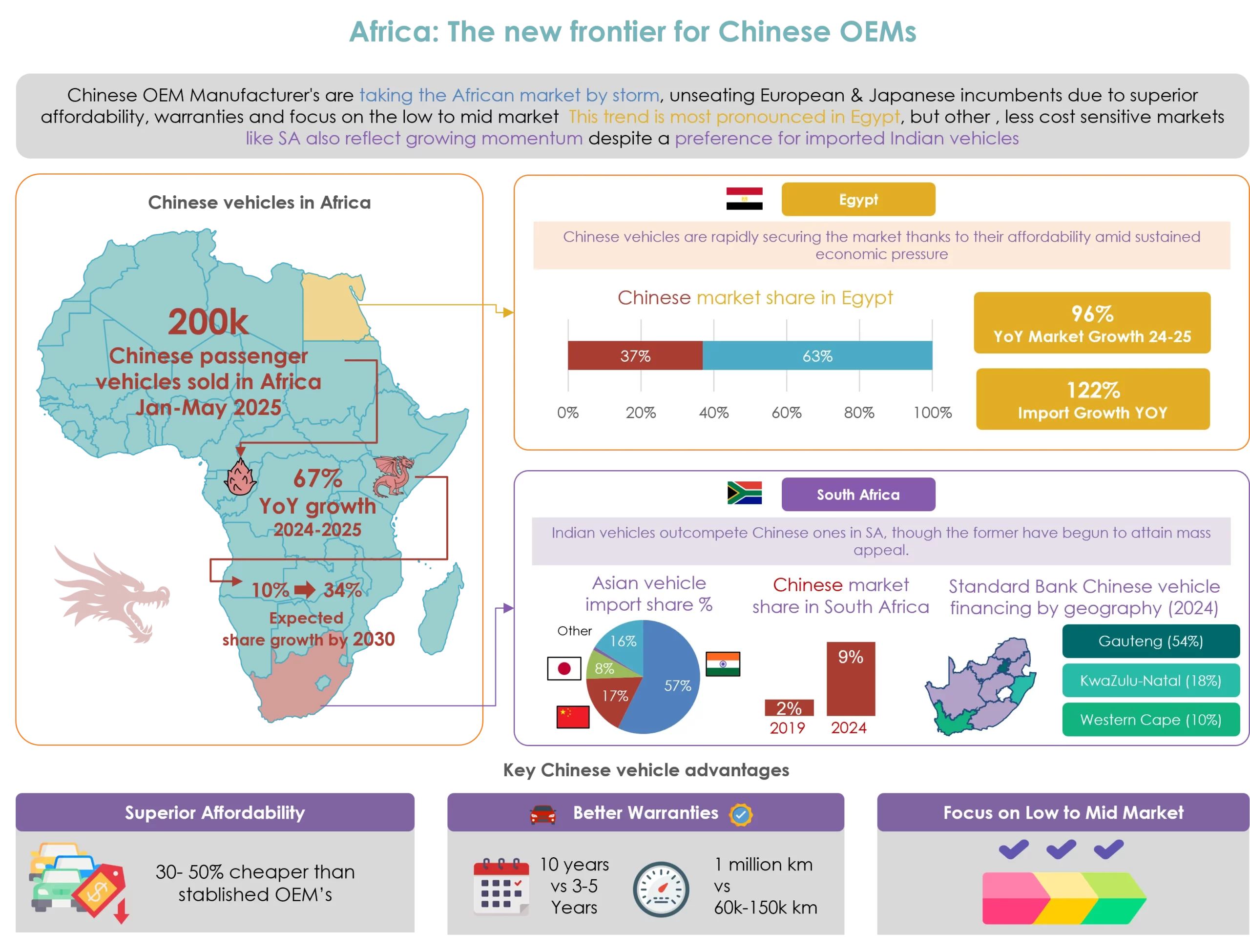
Africa’s automotive and mobility sector continues to develop at pace, with recent trends showing a market increasingly shaped by affordability, industrial policy, logistics demand, and regulatory change. One of the clearest developments is the acceleration of Chinese OEM expansion across the continent. In South Africa, Ghana and other African markets, Chinese and Indian brands are gaining ground through lower-cost offerings, expanding dealership networks and a strong value proposition for price-sensitive consumers.
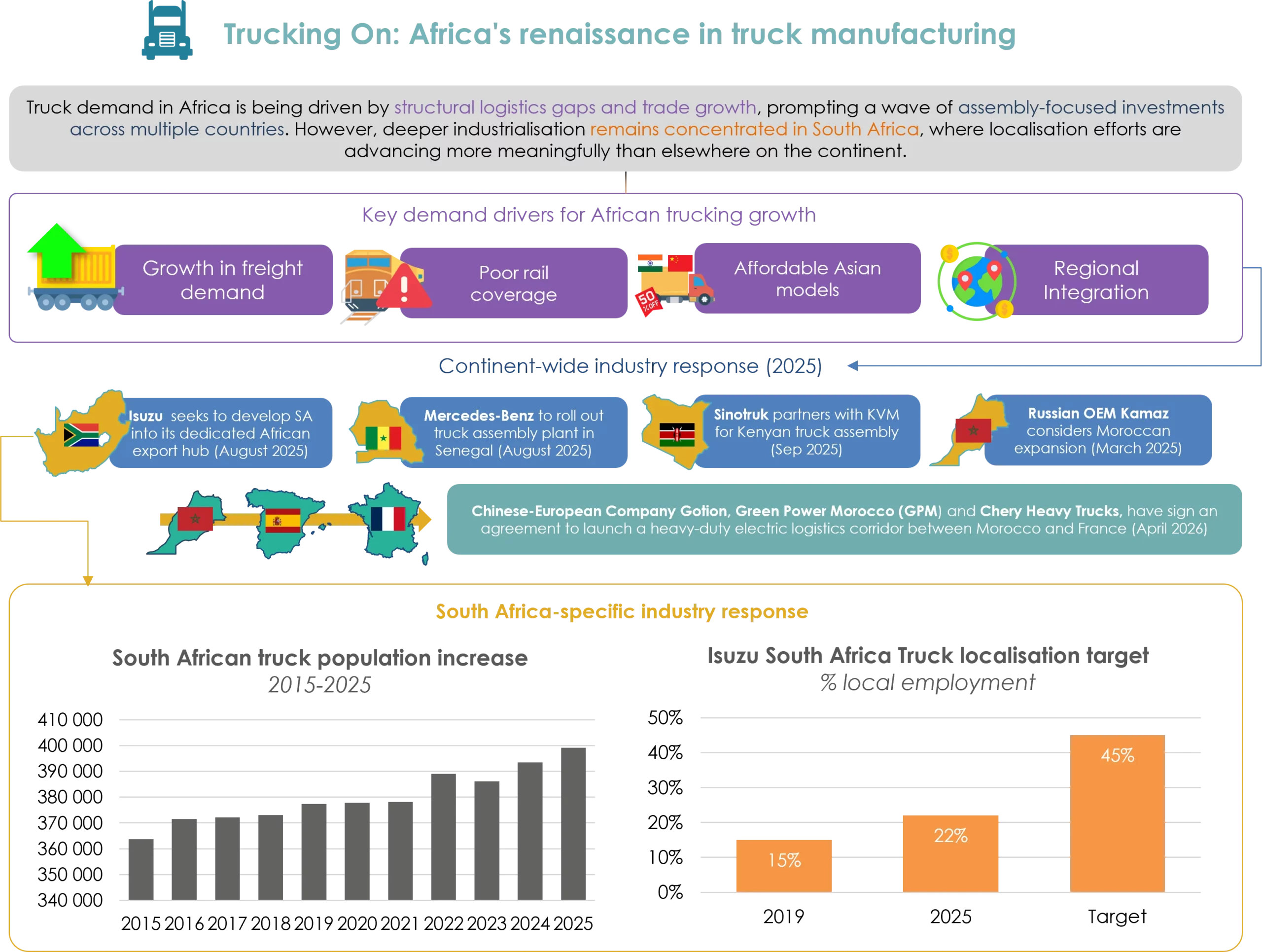
Growth is not limited to passenger vehicles as expansion of trucking and freight operations remain a major opportunity, driven by logistics gaps, trade growth and infrastructure needs.
Assembly-focused investment is spreading across several countries, while South Africa remains the leading centre for more advanced localisation and heavy vehicle manufacturing.
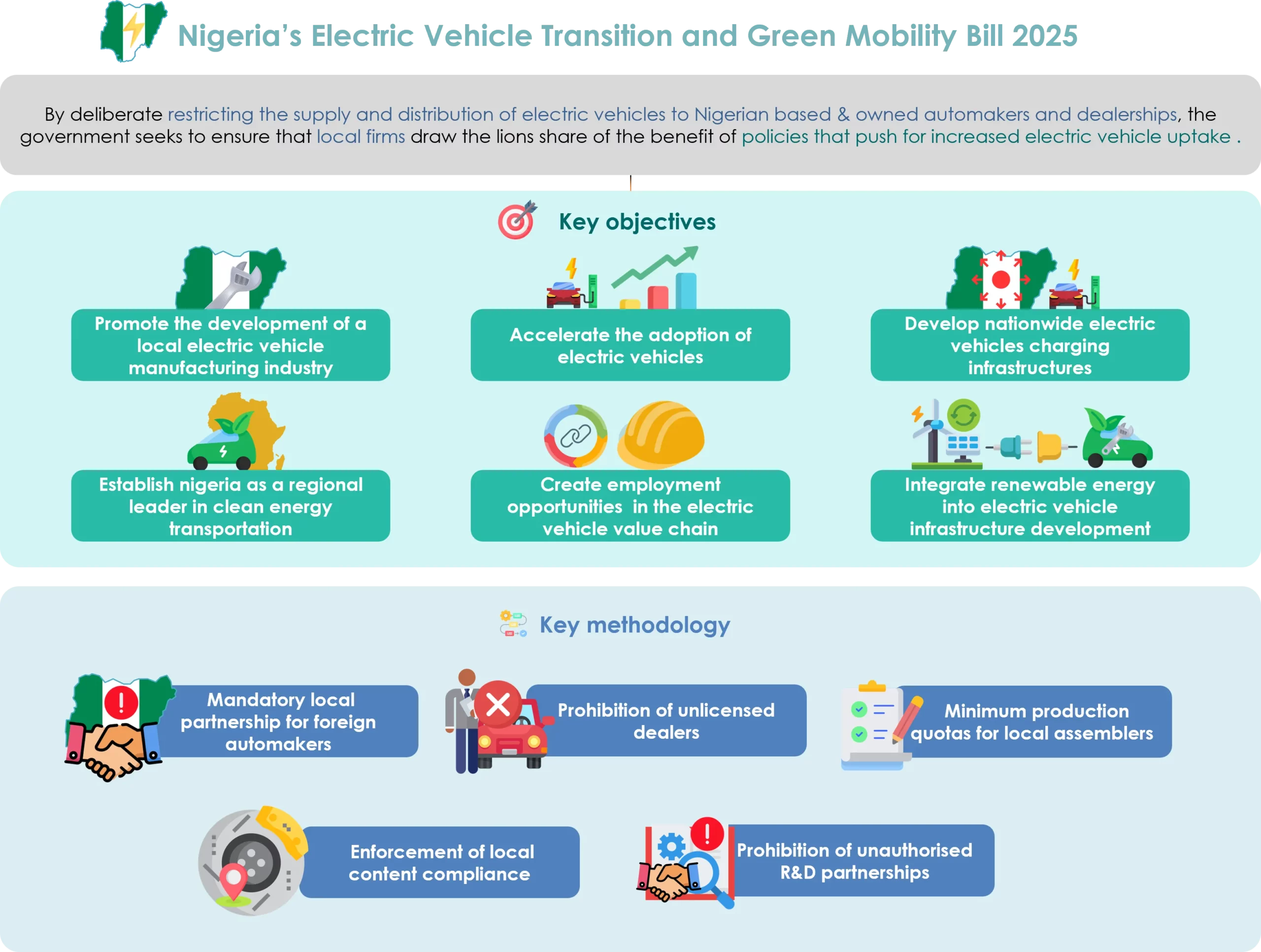
We also see a growing shift toward policy-led mobility development goals. Nigeria’s Electric Vehicle Transition and Green Mobility Bill 2025 is significant as it emphasises local manufacturing, mandatory local partnerships for foreign automakers, licensing controls, production quotas, and local content compliance.
Alongside this, AfCFTA rules of origin, EV financing models and transport infrastructure investment are reshaping how businesses approach manufacturing, distribution, and innovation. For companies active in automotive and mobility industry, IP protection and regulatory planning are increasingly important as markets become more competitive and interconnected.
With our extensive network and knowledge of IP systems across Africa, Adams & Adams is well positioned to assist with coordinated IP strategies that support clients in building and protecting their IP assets across the continent. Regional IP systems such as ARIPO and OAPI provide coverage for patents, trade marks and designs in 39 of Africa’s 54 countries. With a well informed and targeted IP strategy it is possible to obtain cost effective and efficient protection for your IP assets in Africa to assist in taking advantage of the opportunities that the continent has to offer.
Chinese manufacturers such as Chery and BYD are rapidly deepening their presence in South Africa through a combination of new brand launches, dealership expansion, and potential access to existing manufacturing capacity, including the Mercedes-Benz plant in East London (KuGompo City). In April, Chery confirmed plans to introduce its iCar (iCaur) brand to South Africa, building on earlier Q1 growth in markets such as Ghana through partners like Zonda Tec. This expansion goes beyond imports, signalling a broader shift toward cost-led competition, with Chinese vehicles entering the market at significantly lower price points, including sub-R350,000 offerings. This pricing strategy is materially undercutting traditional Original Equipment Manufacturer (OEM) segments, particularly in entry-level and mid-range categories historically dominated by Japanese and European brands. The impact is already visible in dealership responses and growing pricing pressure across South Africa’s automotive market. For incumbents and new entrants alike, competing effectively will require sharper localisation strategies, disciplined pricing, and strong distribution partnerships as Chinese OEMs redefine value benchmarks.
Industrial vehicle production continues to anchor South Africa’s automotive base, with Volvo Trucks commencing Euro 6 FH Aero assembly at its Durban plant and Tata Africa reaching its 12,000th truck milestone in Rosslyn, Tshwane, in April. Volvo’s Euro 6 assembly reflects tightening emissions alignment with global standards, positioning South Africa as a competitive export base for regulated markets. These developments underline sustained demand in logistics and construction segments, where utilisation remains closely tied to economic activity rather than consumer cycles. The localisation of heavy vehicle assembly supports broader industrial policy goals while reinforcing export potential. Structurally, this segment is proving more resilient than passenger vehicles, benefiting from freight demand and infrastructure-linked growth, tied to regional trade corridors and mining activity, where heavy-duty vehicles are essential to maintaining supply chain continuity. For investors, the opportunity lies in component supply chains, logistics integration, and supporting services where industrial mobility continues to demonstrate stable, demand-driven expansion.
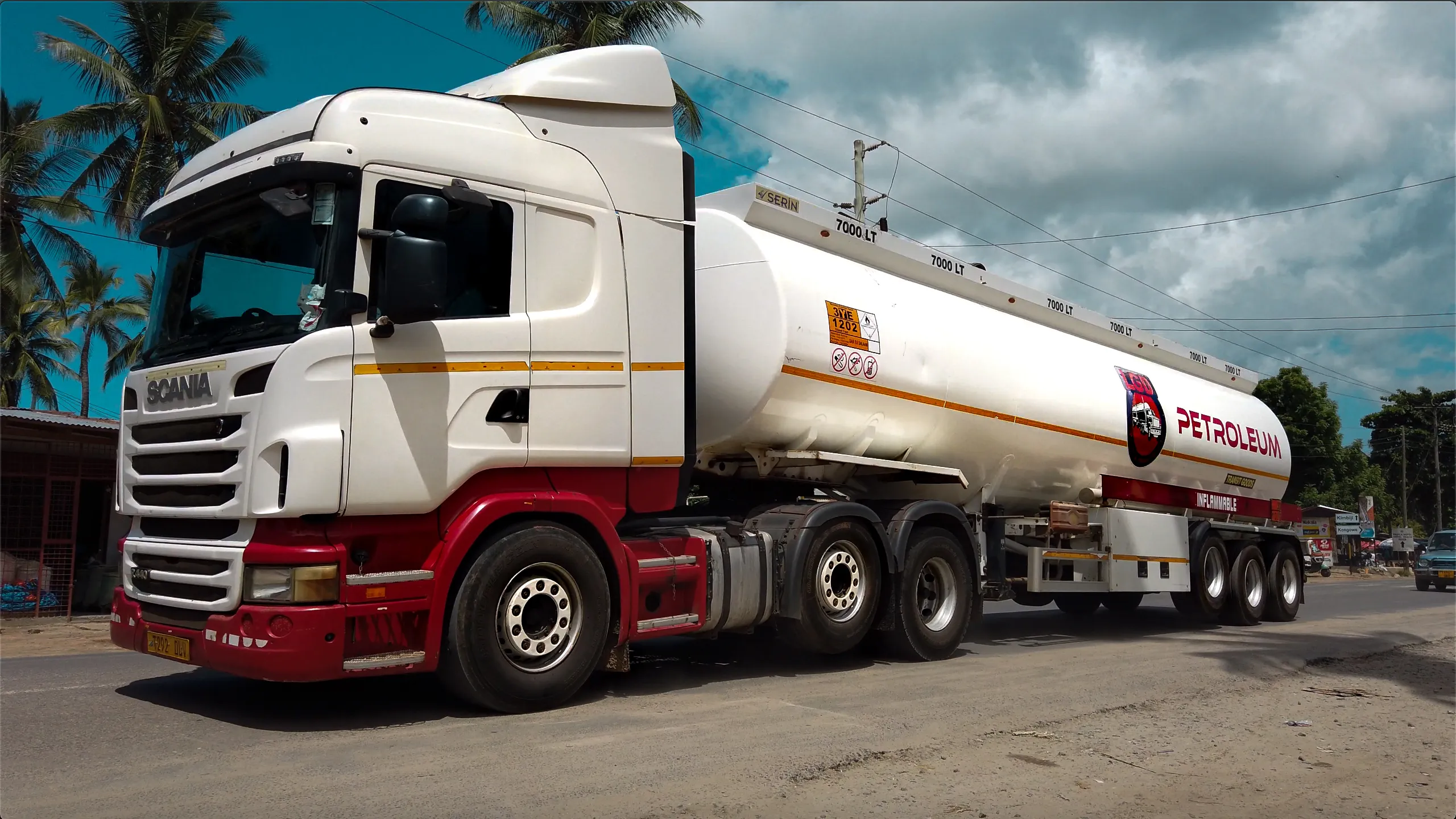
Tanzania’s expansion of fuel storage capacity at Dar es Salaam port is set to improve supply reliability for transport operators across East Africa, addressing long-standing bottlenecks in fuel distribution. The US$274 million project, launched in April, is expected to reduce tanker delays and enhance efficiency along key trucking corridors linking Tanzania to Zambia and the DRC. These corridors are critical for regional trade flows, particularly for bulk commodities and logistics networks that rely heavily on road freight. Reliable fuel infrastructure plays a foundational role in mobility systems, directly influencing operating costs and route efficiency. Improved storage capacity also reduces exposure to supply disruptions, which have historically increased volatility in transport pricing across East African corridors. This development strengthens the logistics backbone supporting road freight movement across the region. For operators and investors, improved fuel availability creates opportunities in distribution, fleet operations, and cross-border trade integration, particularly where infrastructure upgrades reduce friction in transport systems.
Policy developments in Nigeria are beginning to formalise the electric vehicle (EV) market, with the Electric Vehicle Bill and National Land Transport Policy laying the groundwork for coordinated adoption. Introduced in February, these frameworks aim to standardise licensing, infrastructure rollout, and incentives in major urban centres, such as Lagos and Abuja. Early signals suggest that implementation will prioritise fleet and commercial use cases, where adoption can scale faster due to higher utilisation rates and more predictable operating environments. The shift from fragmented pilot activity to structured policy implementation signals a more predictable environment for investment. This coordinated approach reflects a broader trend where regulatory clarity, rather than technology readiness, drives market formation. For investors and OEMs, including Chinese entrants, early engagement with permitting processes and local partnerships will be essential, as compliance and regulatory positioning will determine market access and scalability.
Policy developments in Nigeria are beginning to formalise the electric vehicle (EV) market, with the Electric Vehicle Bill and National Land Transport Policy laying the groundwork for coordinated adoption. Introduced in February, these frameworks aim to standardise licensing, infrastructure rollout, and incentives in major urban centres, such as Lagos and Abuja. Early signals suggest that implementation will prioritise fleet and commercial use cases, where adoption can scale faster due to higher utilisation rates and more predictable operating environments. The shift from fragmented pilot activity to structured policy implementation signals a more predictable environment for investment. This coordinated approach reflects a broader trend where regulatory clarity, rather than technology readiness, drives market formation. For investors and OEMs, including Chinese entrants, early engagement with permitting processes and local partnerships will be essential, as compliance and regulatory positioning will determine market access and scalability.
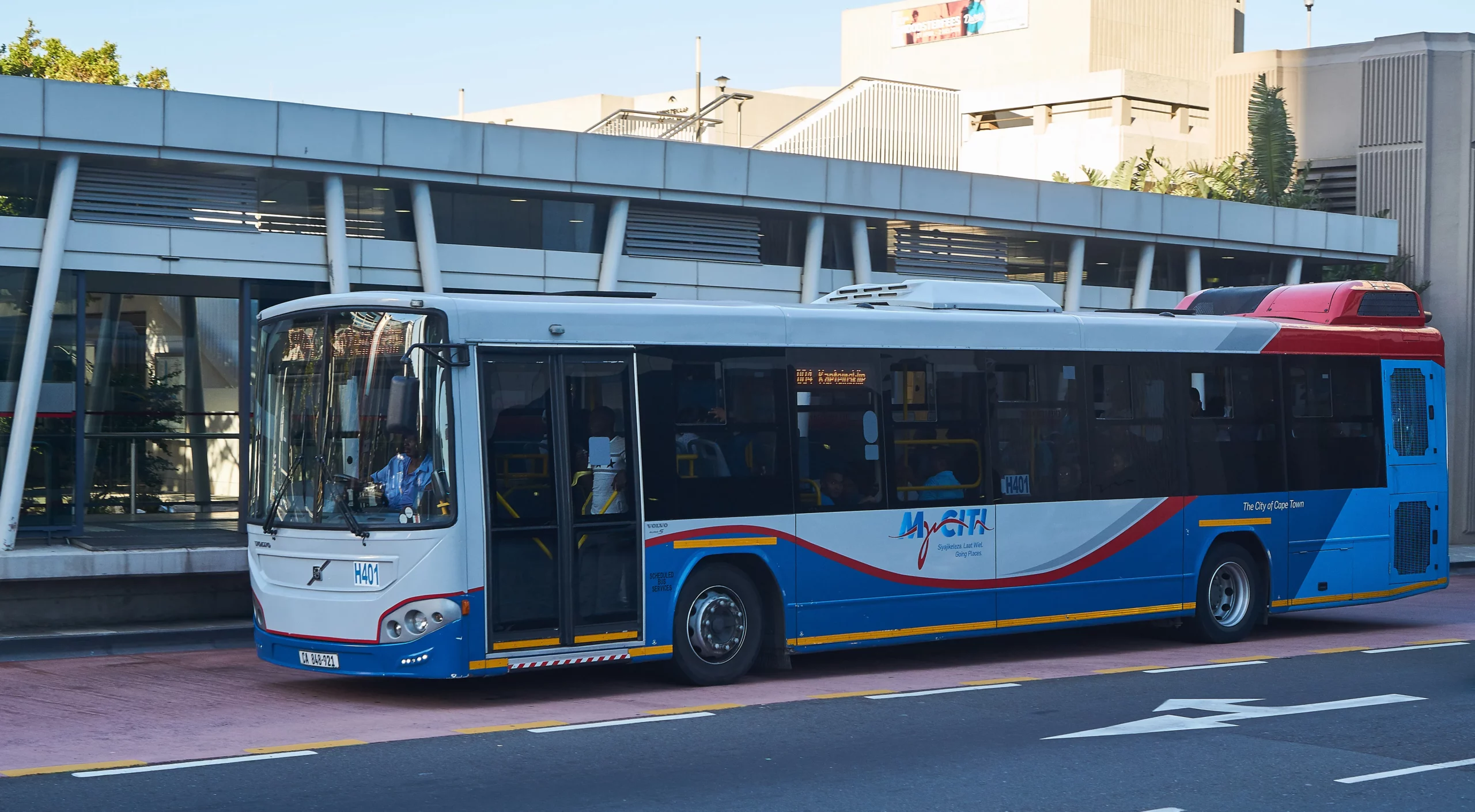
Cape Town’s move toward electrifying its public transport fleet highlights growing momentum in urban mobility transformation. A research programme launched with the University of Cape Town in February is laying the groundwork for electric bus deployment, positioning the city as an early adopter in Africa. The initiative is expected to inform procurement strategies for MyCiTi and other bus rapid transit systems, which are central to Cape Town’s urban mobility network. High-utilisation bus routes offer a practical entry point for electrification, given their predictable operations and centralised management. This makes buses particularly attractive for phased electrification compared to private passenger vehicles, where usage patterns are less consistent. However, scaling these initiatives will depend on financing models and municipal policy support. For cities and investors, the transition presents opportunities in fleet procurement, charging infrastructure, and public-private partnerships, while regulatory frameworks around procurement and funding will shape long-term implementation.
How can we help you?
We have offices in four major cities in South Africa: Pretoria, Johannesburg, Cape Town, and Durban. Additionally, we have another 23 associate offices in the rest of Africa. Please contact your nearest office for any legal enquiry or assistance.