


Welcome to the latest edition of our Africa Advisory.
Advances in plant breeding, biotechnology, agritech and regional market integration are transforming Africa’s agricultural landscape. Increasingly, investment aims to support productivity and resilience, while governments and regional organisations continue to develop regulatory frameworks that enable innovation, trade and food security.
Within this context, IP, regulatory compliance and technology partnerships are becoming critical considerations for businesses seeking growth in Africa’s agriculture industry. Through our extensive Africa network, Adams & Adams is proud to support our clients in navigating these complexities, helping them protect innovation, manage commercial risk and unlock opportunities across the continent.
Significantly, our Africa network equips us with the unique ability to coordinate the filing and prosecution of plant breeders’ rights and market access varietal listing applications throughout the African continent. Our offering and experience in this regard are unmatched, extending across multiple jurisdictions and regional bodies including Morocco, Egypt, Kenya, Rwanda, Tanzania, OAPI, Senegal, and ARIPO under the Arusha Protocol that recently came into force. Beyond registration, we also guide clients in the establishment and conduct of their technical and commercial trials. For more information in this regard, reach out to pbr@adams.africa.
We hope this quarter’s round-up provides valuable insight into the trends shaping Africa’s agritech and plant breeding sectors.
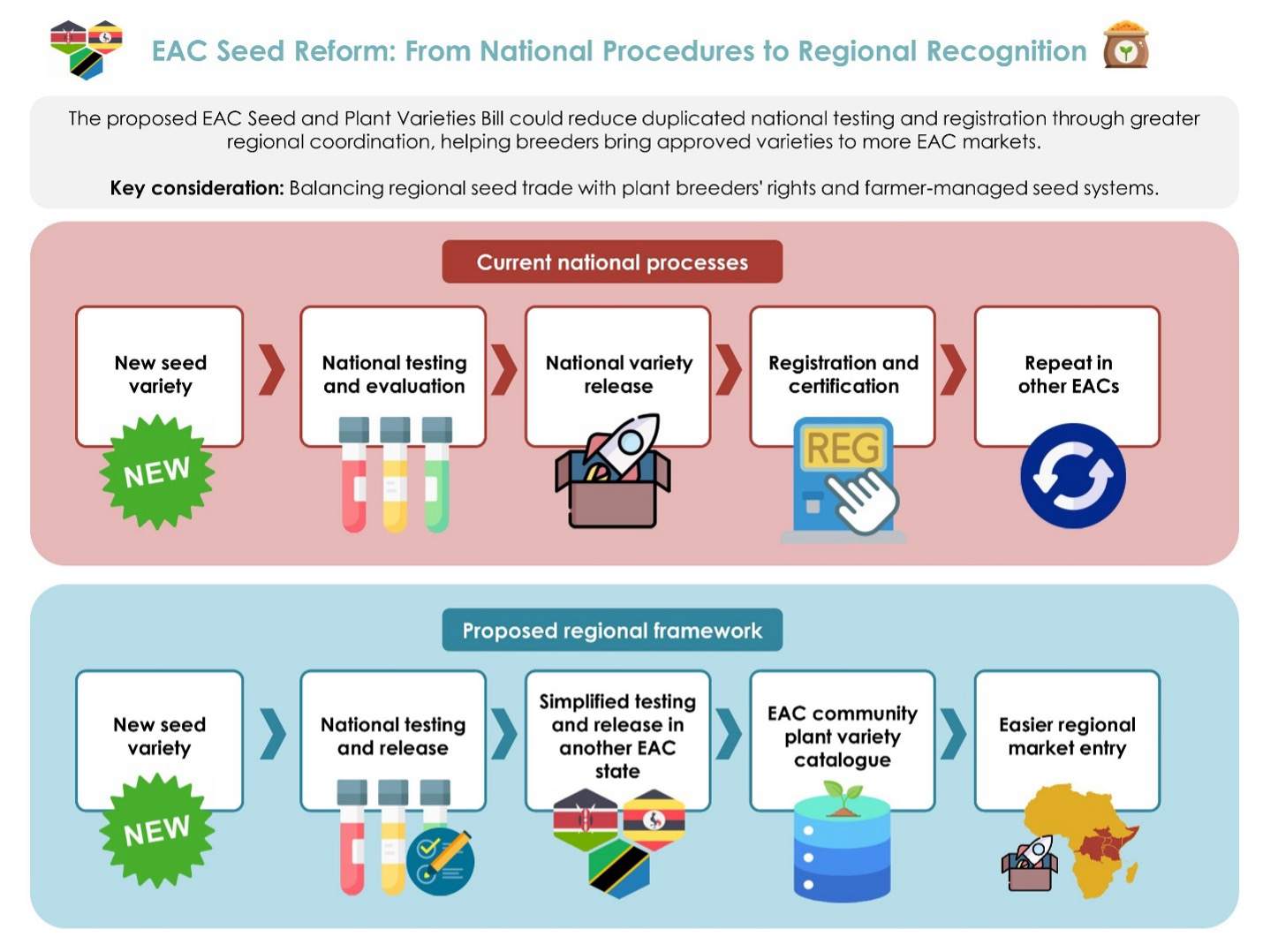
East Africa’s seed market moved closer to a common rulebook in late August. However, the proposed Seed and Plant Varieties Bill exposed a defining tension over who stands to benefit from harmonisation. The Bill would establish a regional framework for variety evaluation, release, registration, certification, marketing and plant breeders’ rights, reducing the need for repeated testing across East African Community (EAC) markets. While public hearings across all eight partner states emphasised the commercial upside of faster cross-border seed movement, Tanzanian stakeholders pressed for stronger recognition of farmer-managed seed systems, indigenous varieties, and traditional knowledge. Concern was that rules designed around formal commercial seed systems could make registration costly or restrictive for community-developed varieties. The debate therefore extended beyond regulatory efficiency, raising questions about whether East Africa could build a more investable seed market without limiting availability to smallholders. For breeders, seed companies and research institutions, the eventual framework should reward early preparation for regional registration while making sustained engagement on farmers’ rights increasingly important.
Africa’s agritech finance landscape is broadening beyond startup equity as capital increasingly flows towards platforms that integrate finance, infrastructure, services and market access that support investment in farmers and agricultural businesses. Nigeria’s AgriConnect Compact accelerated this shift, targeting approximately US$5 billion over five years from government, development partners and the private sector to expand access to finance, insurance, digital tools and markets across the country’s priority agricultural value chains. Elsewhere, East Africa Foods raised approximately US$40 million to expand processing, storage, logistics and its digital platform. The International Fund for Agricultural Development (IFAD) and Equity Group launched a US$200 million climate adaptation financing mechanism that combines lending capital with technical assistance. Ghana’s Complete Farmer also secured a US$2.4 million International Finance Corporation (IFC) convertible loan to expand input financing and agronomy services. Together, these investments reflect a growing preference among capital providers for models that demonstrate farmer reach, repayment capacity and practical resilience outcomes.
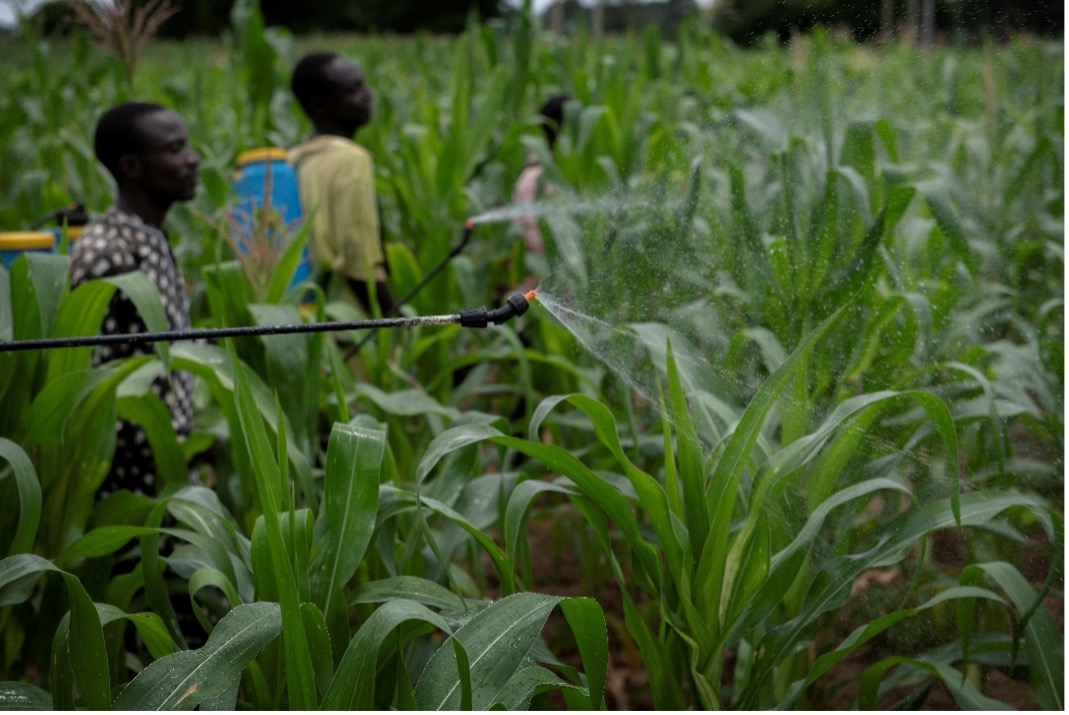
Image courtesy: CGIAR System Organization/Flickr, 2019
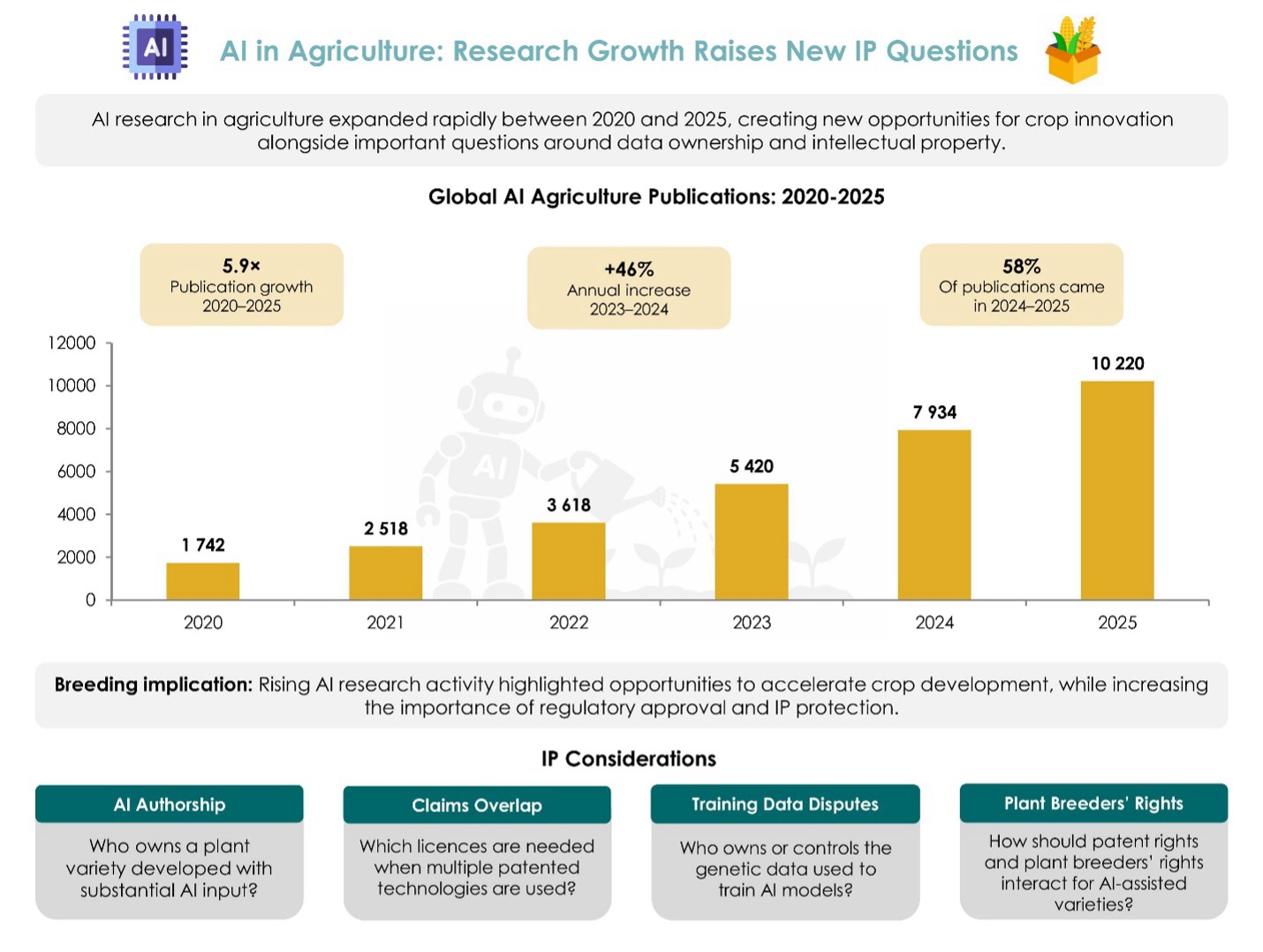
Crop breeding entered a faster technology cycle in Q3 as gene editing, artificial intelligence (AI) and hybrid seed systems moved towards practical deployment. The International Crops Research Institute for the Semi-Arid Tropics (ICRISAT) secured long-term access to the genome-editing tool CRISPR-Cas9, while Nigeria broadened its biotechnology policy and Egypt and China advanced stress-tolerant crop research. In East Africa, hybrid potato breeding and true potato seed systems have offered more resilient planting material, while AI began shortening selection cycles using genomic, environmental and field data. In southern Nigeria, distribution of improved cowpea seed signalled farmer-level adoption. Regional biosafety cooperation gained attention as COMESA’s Biotechnology and Biosafety Policy offered a route to coordinating oversight of genetically modified crops and gene editing while retaining national authority. In Ethiopia, El Niño has already disrupted seed production, prompting calls for short-cycle, drought-tolerant, and locally adapted varieties. As breeding technologies converge, advantage will depend on converting scientific advances into protected, approved and scalable varieties before climate pressure outpaces conventional breeding cycles.
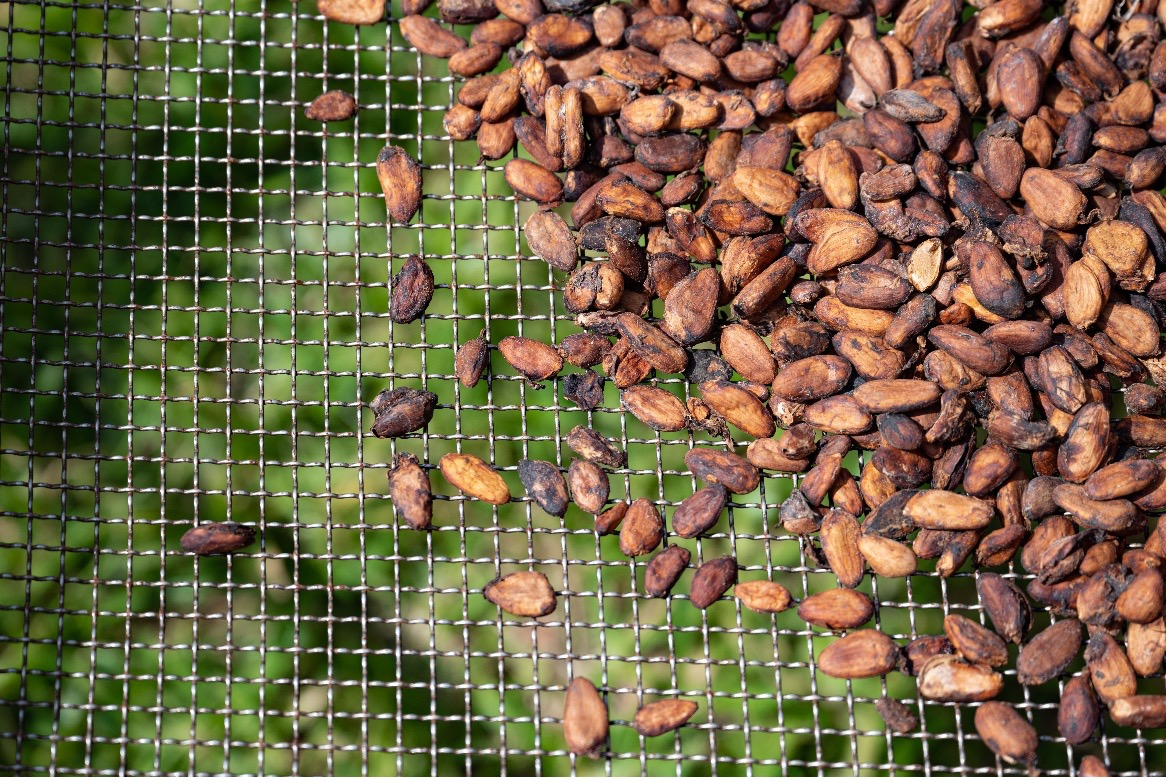
Côte d’Ivoire strengthened the scientific base of its coffee and cocoa industries in September by establishing the Institut du Café et du Cacao. The institute aims to bring together advanced technologies, specialist scientific expertise, and partnerships with national universities, regional centres of excellence and international organisations. It will build on an existing research station containing mature experimental plots and valuable genetic resources. The government has positioned the institute as a means of improving productivity, strengthening resilience to disease and climate pressures, and enhancing the quality and competitiveness of two strategically important export crops. The initiative therefore extends beyond research capacity alone, creating an institutional platform from which new varieties, breeding partnerships and commercial technologies may emerge. Companies and research organisations collaborating with the institute will benefit from agreements on access to genetic resources, ownership of resulting innovations and commercialising improved plant material from the outset of each partnership.
Image courtesy: Milequem Diarassouba/WikiCommons, 2022
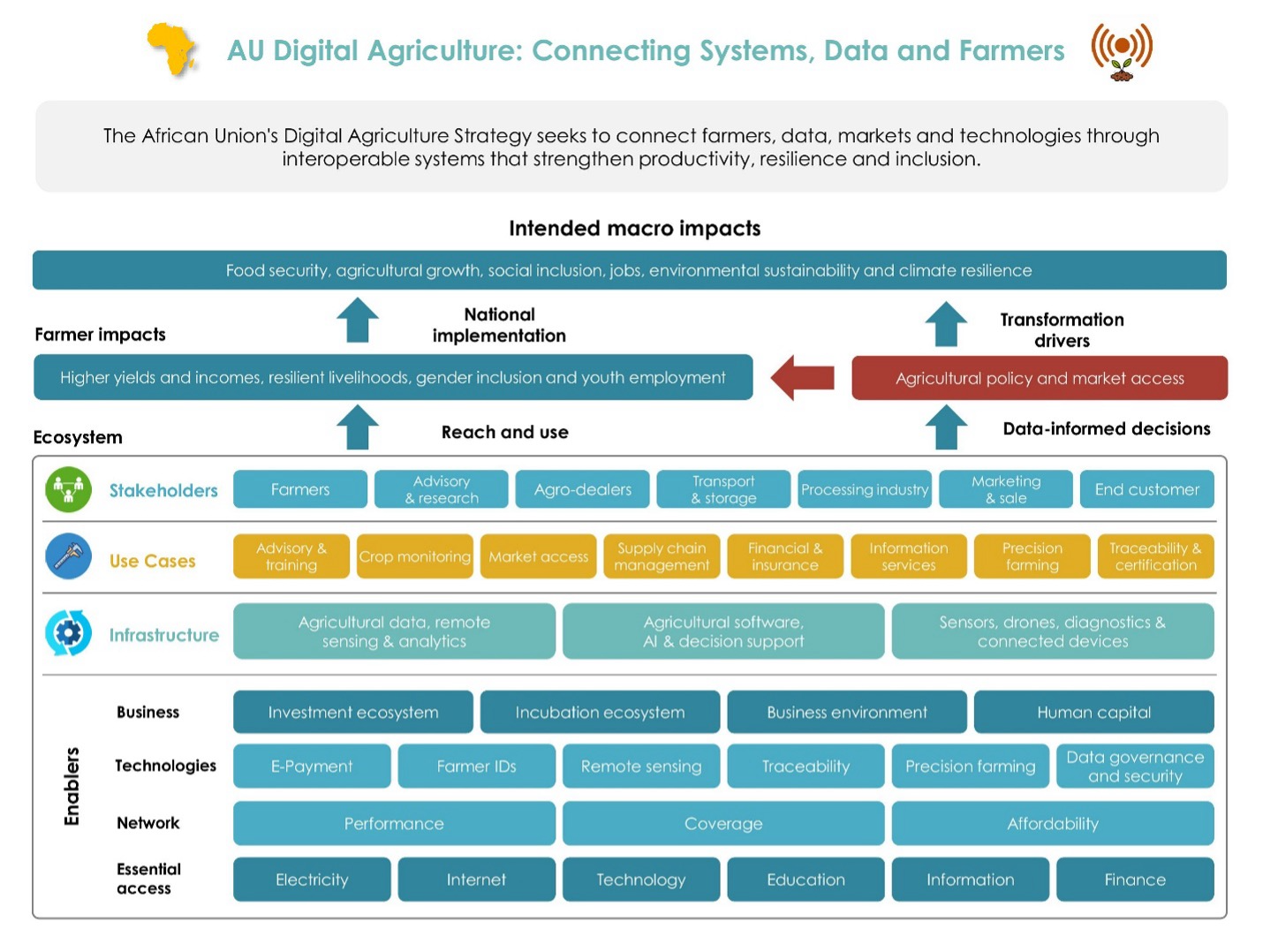
Africa’s digital agriculture agenda shifted from standalone tools towards shared infrastructure during Q3. The African Union advanced implementation of its Digital Agriculture Strategy by working to harmonise national and regional systems, strengthen platform interoperability and data governance, and connect farmers to climate information, finance, markets and advisory services. The open sourcing of SoilHive, a global soil data platform, complemented this direction by linking fragmented soil datasets without requiring countries to surrender control of their information. The Food and Agriculture Organization (FAO) and Smart Africa also pushed AI solutions beyond pilot projects towards deployment. In Nigeria, calls for a national digital farmer register and motivation from the National Information Technology Development Agency (NITDA) for interoperable, AI-enabled extension services added a practical dimension to this continental agenda, while the agritech platform CropVault combined sensors and image analysis for use in low-connectivity environments. El Niño increased the value of timely agricultural intelligence across diverse climate conditions. The opportunity increasingly lies in systems that transform trusted, connected data into locally relevant decisions rather than simply offering another farm-level application.
How can we help you?
We have offices in four major cities in South Africa: Pretoria, Johannesburg, Cape Town, and Durban. Additionally, we have another 23 associate offices in the rest of Africa. Please contact your nearest office for any legal enquiry or assistance.